Posted on 3 Responses to

Garibaldi and Meucci: two friends, two very different lives


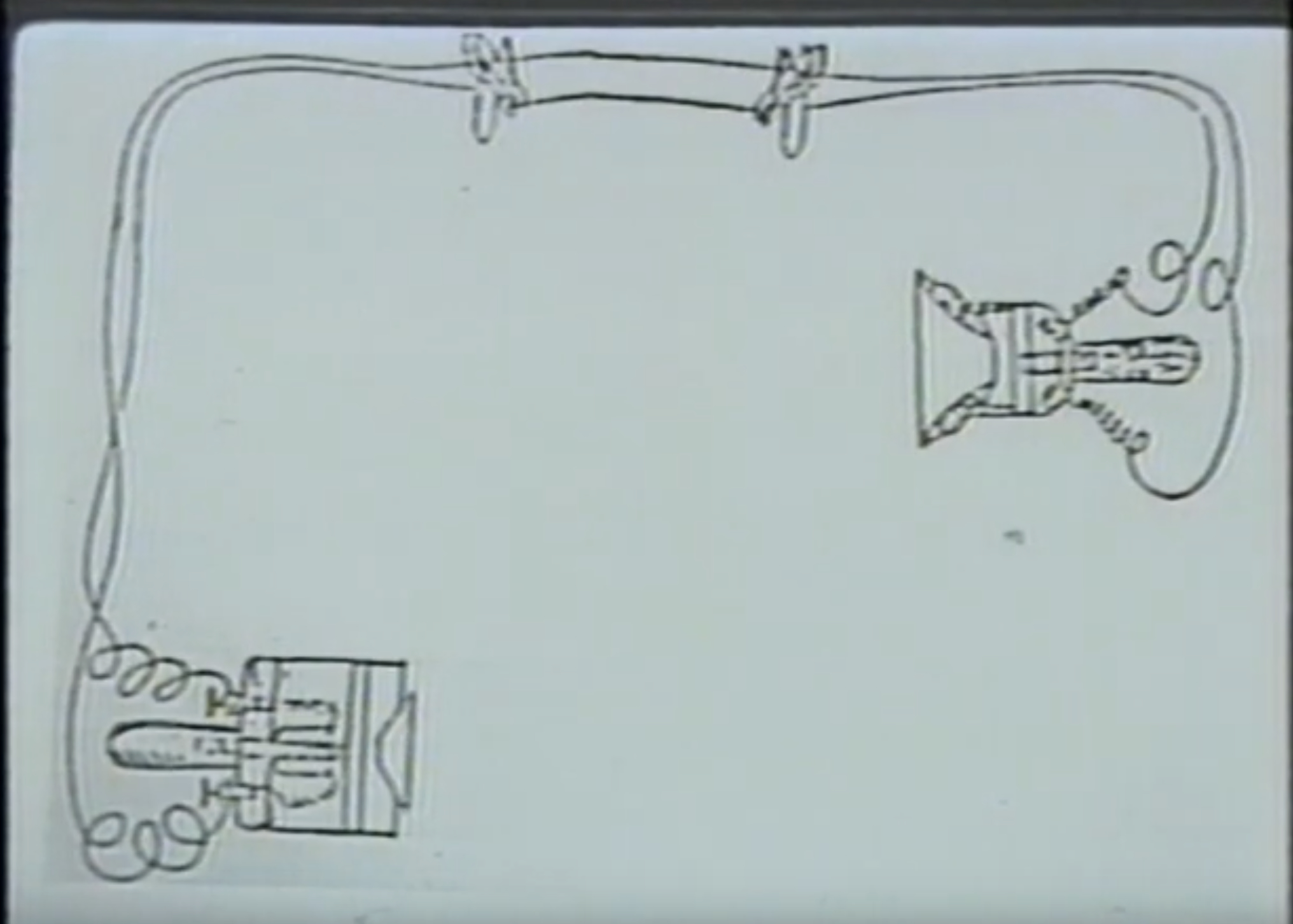
A small house on Staten Island tells the tale of the friendship between Guiseppe Garibaldi, the famed Italian revolutionary, and Antonio Meucci, a candle maker who just might have invented the telephone. Take a tour of the Garibaldi Meucci Museum with WNYC’s Jenny Attiyeh, on ThoughtCast!
Click here to listen!

Posted on 3 Responses to

Our American “Empire” with Niall Ferguson

Note: This interview has been picked up by the public radio stations WGBH, in Boston, its affiliates WCAI and WNAN, and WCVE in Richmond, VA. It was originally broadcast in 2008.

In some ways, the Scottish historian Niall Ferguson is the Russell Crowe of the academic world: charismatic, unconventional, and definitely controversial. He’s also a big fan of the British Empire — and wants the United States to follow in its footsteps. That means it’s our job to form colonies in hot climates, for years on end.
But are we up for this? While Niall would like that to be the case, he doesn’t really think so, because, he says, we’re an empire “in denial” …
Click here: to listen to a 4 minute excerpt.
Click here: to listen to the entire interview (15:30 minutes).

And to listen to this interview with Niall Ferguson on the WGBH Forum Network, click here!

Posted on 3 Responses to

Tales from Donegal, told in Kenny’s Bookshop

Note: This interview was broadcast on KUT-FM, an NPR station based in Austin, Texas.
Charles McGlinchyIn 1861 in Clonmany, on the Inishowen peninsula in the far north of County Donegal Ireland, Charles McGlinchy was born.  His was a windblown, rough world, wracked with beauty and hardship. A weaver by trade, and a bachelor, in his old age he realized he was the last of the McGlinchys, the last of his name. Night after night, he told his tale to an old neighbor, the schoolmaster Patrick Kavanagh, who wrote it all down. Patrick’s son Desmond found these copybooks after his father’s death, and offered them to Brian Friel, the renowned Irish playwright, who then edited the manuscript into a book called The Last of the Name.
This same book is what Desmond Kenny, of Kenny’s Bookshop in Galway, chose to discuss in our interview. When asked to pick a piece of writing that’s had a tremendous impact on him, he wandered the rich shelves of the shop, musing over all the books he’s known and loved. We spoke after hours in the family run book shop, which recently celebrated its 70th anniversary.

Click here: to listen to this ThoughtCast interview (18 minutes).

Posted on 3 Responses to

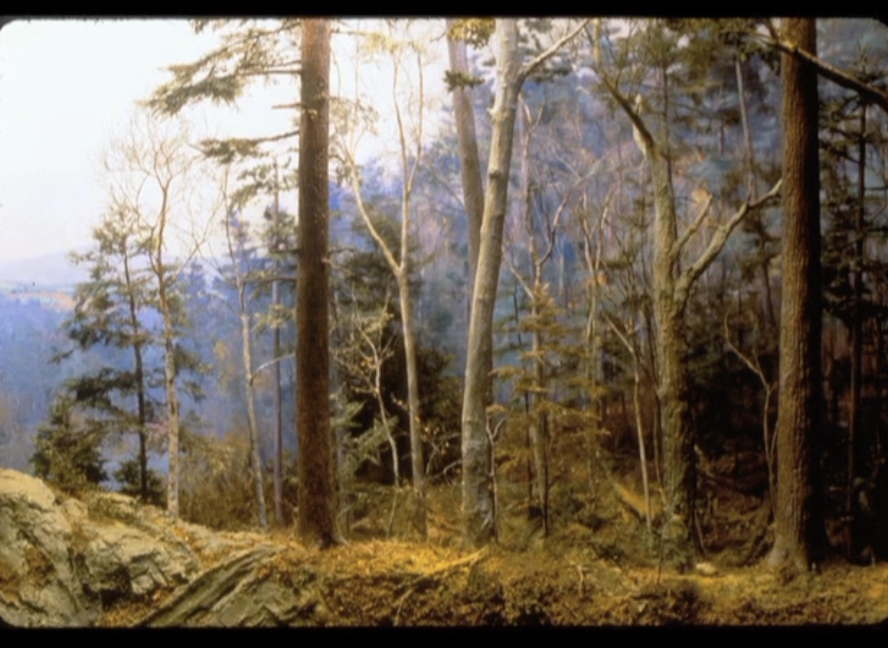
The history and future of the New England Forest

Note: an audio version of this interview was broadcast by the WGBH affiliate WCAI, the Cape and Islands NPR station, and by KPIP in Missouri.

The forests of New England are, remarkably, a success story. They’ve recovered from attack after attack. The early settlers hacked them down, by hand, for houses, fences and firewood. Later on, the insatiable sawmills of a more industrial age ate up the lumber needed for our expansion.
Today, the forests contend with acid rain, invasive plants and exotic beetle infestations — evidence of our ever more global economy. And the future of these forests? Going forward, that’s a story that’s largely ours to shape, and narrate.

If only these trees could talk … Well, we have the next best thing – Donald Pfister, the Dean of Harvard Summer School, curator of the Farlow Library and Herbarium, a fungologist (the more erudite word is mycologist), and the Asa Gray Professor of Systematic Botany at Harvard University.
In this Faculty Insight interview, produced in partnership with ThoughtCast and Harvard Extension School, he tells the tale of the New England forest from as far back as the glacial Pleistocene era.
To help illustrate this tale, we’ve made grateful use of high resolution images of some dramatic landscape dioramas, which are on display at Harvard’s Fisher Museum, in Petersham, Massachusetts.
And finally, for an audio version of this story, click here: to listen (9:47 mins).

Posted on 3 Responses to

International news and the American attention span

International News

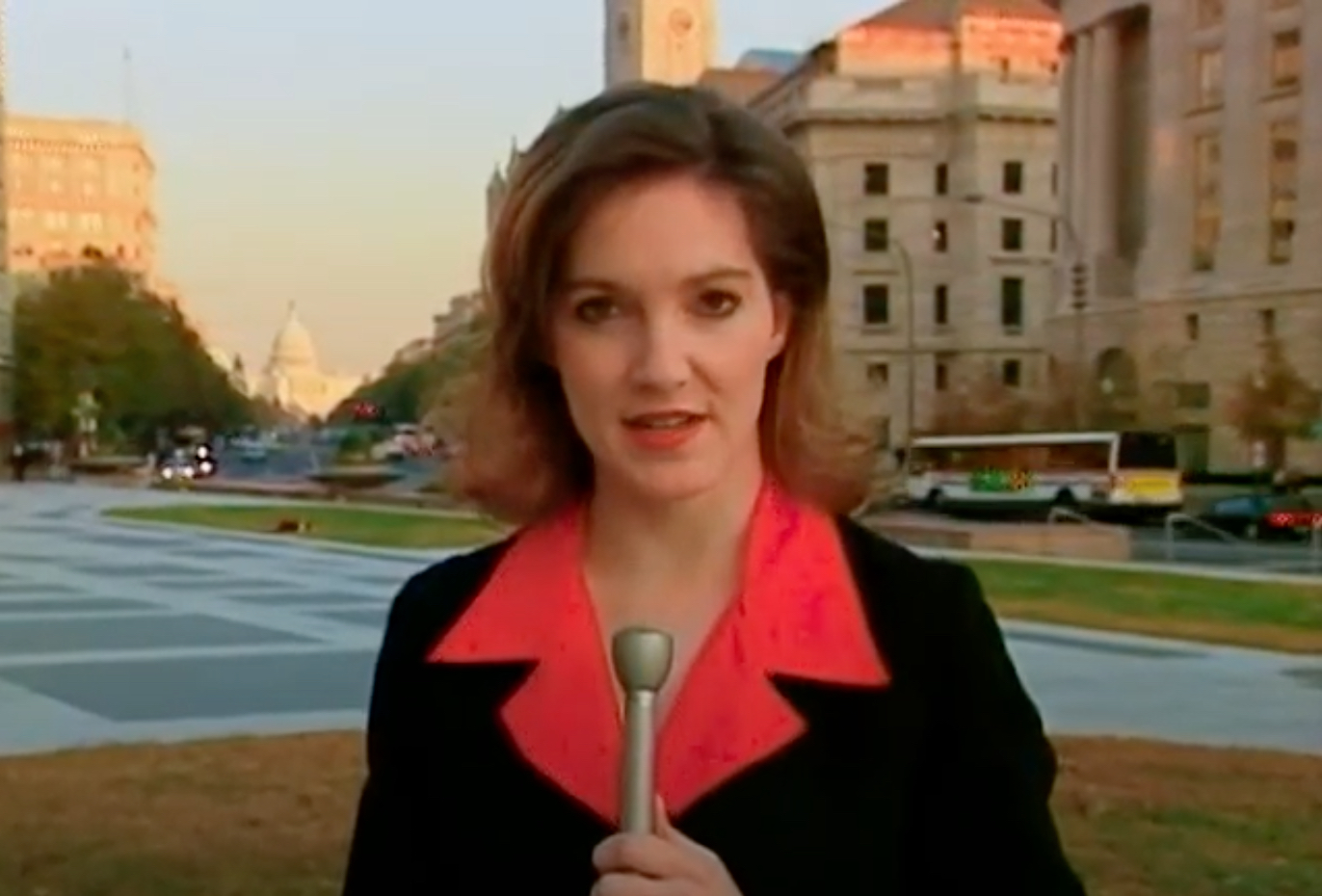
I reported this story on the struggle to cover international news in the late 1990s for Freedom Speaks, a TV program on the media run by the Freedom Forum, and I thought with a ground war now raging in Europe and threatening to destabilize the “world order”, it’s worth a revisit. But remember — this is archival. Even so, does it have anything to teach us about the way Americans view the wider world?

Click here: to listen (3 minutes).

Posted on 3 Responses to

The Mau Mau rebellion — a revisionist history

Caroline Elkins

NOTE: Caroline Elkins is in the news again, with a new book called Legacy of Violence: A History of the British Empire. In it she continues her searing research into first world abuse and torture of numberless Africans under their colonial control.

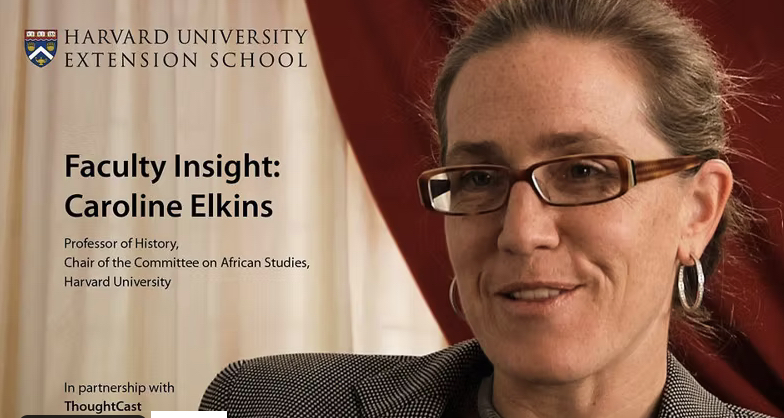
How does history get rewritten? How do victimizers become victims, and the valiant turn into villains? As Harvard history professor Caroline Elkins has learned, this process can be a hazardous one. The Pulitzer prize-winning author of Imperial Reckoning: The Untold Story of Britain’s Gulag in Kenya devoted many years to the study of the Mau Mau uprising in the early 1950s, and the British response,  a model of counter-insurgency technique — or so she thought.

The Mau Mau were a group of native Kenyans who turned to violence and terror to drive out their colonial British masters, but as Elkins discovered, they weren’t the only ones to use such tactics.  Now a court case will decide where the truth actually lies, as you will hear in this Faculty Insight interview, produced in partnership with ThoughtCast and  Harvard Extension School.

For an audio version of this story, click here: to listen. (6:50 mins).